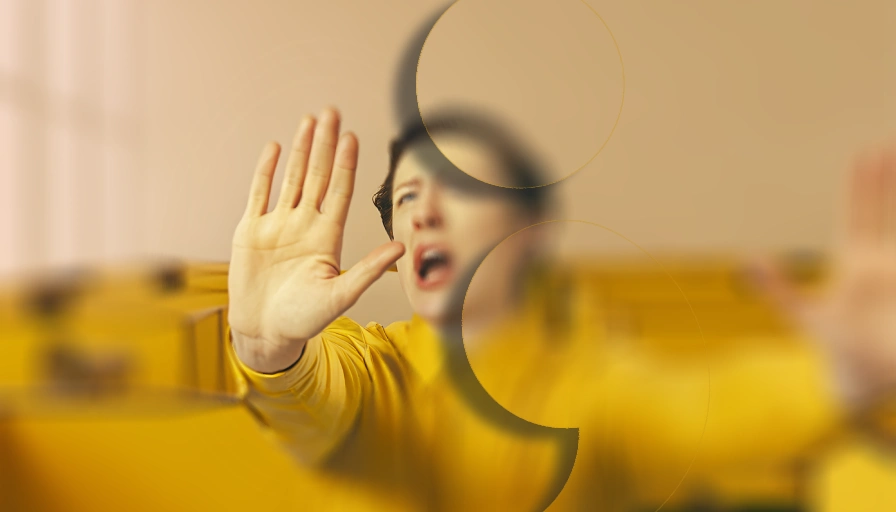

When people think of burnout, mental and emotional symptoms such as feelings of helplessness and cynicism often come to mind. However, burnout also causes physical symptoms, and it is necessary to recognize them in order to take action.
Burnout, as defined, is not a medical condition; it is "a manifestation of unmitigated chronic stress," explained Dr. Lotte Dyrbye, a medical scientist who studies burnout at the Mayo Clinic.
You start to not function as well, you miss deadlines, you feel frustrated, perhaps irritable with your coworkers.
Jeanette M. Bennett
Researcher studying the effects of stress on health at the University of North Carolina.
When people are under stress, their bodies undergo changes that include producing higher-than-normal levels of stress hormones such as cortisol, adrenaline, epinephrine, and norepinephrine. These changes are useful in the short term, giving us the energy to overcome difficult situations, but over time, they begin to damage the body.
Here's how to recognize exhaustion in your body and what to do about it:
A common symptom of exhaustion is insomnia.
A survey of frontline healthcare workers experiencing burnout during the first peak of the pandemic found that 55% reported difficulty falling asleep, while nearly 40% had nightmares.
Physical fatigue is another common sign.
One of the key symptoms of burnout is fatigue. If you feel exhausted from the moment you wake up, this could be a very important sign to pay attention to.
Changes in eating habits
Eating more or less than usual can also be a sign of exhaustion. People may eat less because they are too busy or distracted, or they may have more food cravings than usual.
Stress hormones can affect appetite, causing people to feel less hungry than normal when they are under a lot of stress and hungrier than normal when stress is relieved.
If you identify with these symptoms, it is essential to take action to prevent the condition from worsening! See you next week with tips on how to avoid them from day one.