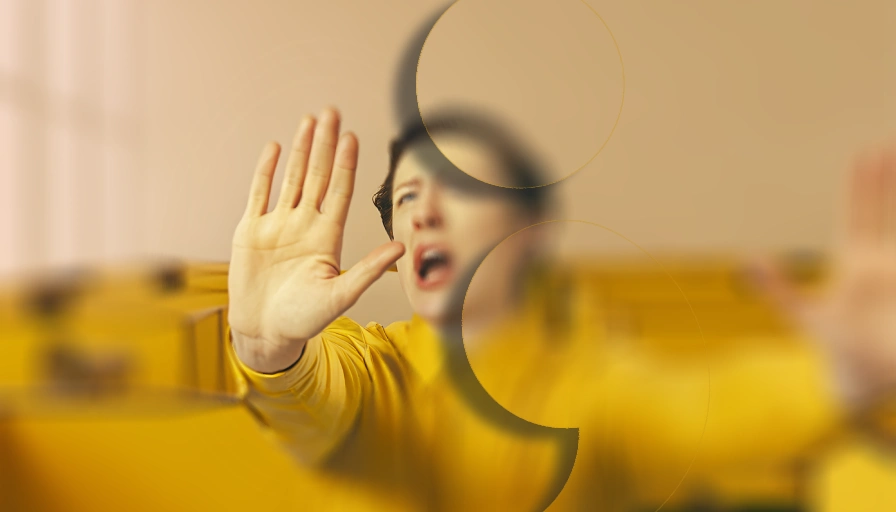


What is the first thing you feel when you start to realize that you are really exhausted?
When the time comes when tasks that were once simple now become complicated, and when dealing with your colleagues and customers used to be enjoyable but now makes you feel irritated.
As soon as the signs of burnout begin to appear, and with them the thoughts that something has to change, is there something that prevents you from taking the plunge? Something that makes you feel paralyzed?
Often, thoughts that "something has to change" are accompanied by feelings of fear and shame for what one is feeling:
"What if I take time off and lose my job?", "What will happen to my clients?", "What will my superiors think?", "How am I going to feel like this?", "I can't stop."
Taking the step to solve or change something is becoming increasingly difficult because it challenges self-esteem, and all the "risks" involved seem to outweigh well-being.
Burnout usually comes after several—or many—days of stress, exhaustion, and the desire and need for a different pace and way of working, but taking action seems to generate more stress than it solves.
If this has been your case, where you have felt cornered because you feel exhausted but don't know what to do to change this, it is very important to know that not taking action DEFINITELY means more risks for you and your health than staying where you are.
Not doing so could result in job loss because your performance would decline significantly, leading your superiors to think "what you don't want them to think," not to mention the unhappiness and despair of living with burnout.
From talking openly and honestly with your supervisor about what you are experiencing, facing the fear that this may cause you, to seeking professional help, addressing burnout is something that cannot be negotiated.
What should we do now that we recognize our fear? Next week, we will discuss what steps to take to get things started and bring about change.