It is essential to lose the fear and shame of expressing that we can't take it anymore and to accept that we don't feel well.
As you know, we want to dedicate these weeks to sharing with you the most important points that were discussed during the First Ibero-American Congress Against Burnout.
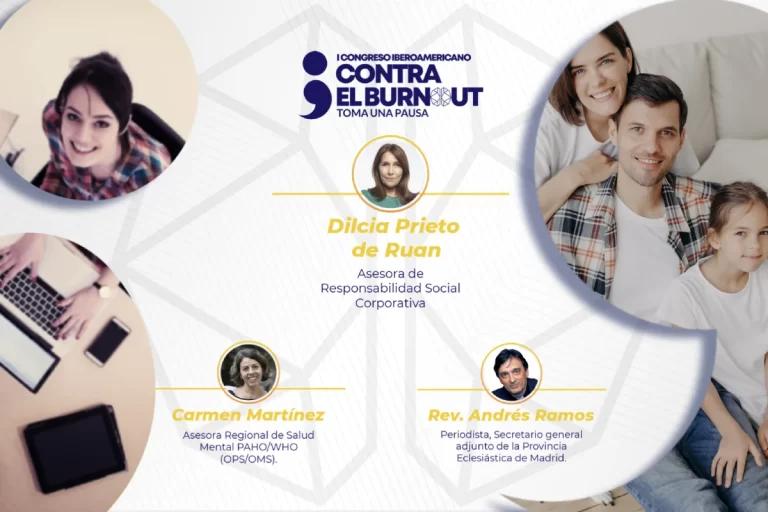
At the event's opening forum, "Vision of Burnout," Carmen Martínez of the World Health Organization shared key points that we sent out last week.
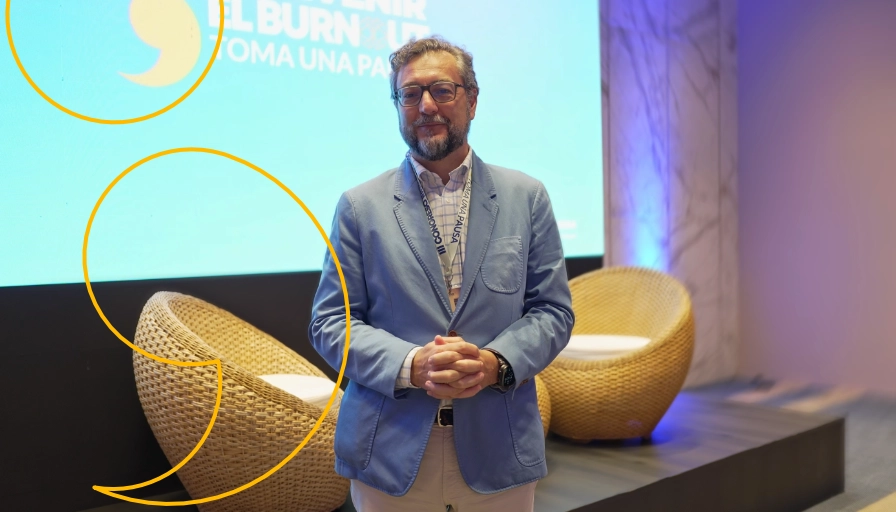
Today, we would like to share with you the most relevant points from the presentations given by two additional speakers: Dilcia Ruan (director and special projects advisor at VIAHR) and Reverend Andrés Ramos.
Dilcia Ruan, one of the conference's prominent speakers, reminded us that VIAHR was born out of a desire to transform pain into service.
The initiative arose from the experience of María Méndez, president and founder of the organization, who did not want others to go through what she had experienced. Dilcia highlighted the purpose of learning to serve and turning VIAHR into a space for experts to join the fight against burnout. She also emphasized the importance of taking the message beyond the corporate world, reaching all employees.
However, several challenges were also raised. One of them is the recognition, both at the individual and corporate levels, that people and companies can be "sick" due to work exhaustion.
Dilcia reminded us that it is essential to lose our fear and shame of expressing that we can't take it anymore and to admit that we don't feel well. To address the problem of burnout, we need to raise awareness and talk openly about the issue.
Likewise, the importance of making conscious decisions to avoid getting sick and infecting the company was highlighted. Creating alliances between different sectors is also proposed as a valuable strategy for effectively treating burnout. And to evaluate the impact of any intervention, it is essential to measure before, during, and after it.
During the forum, Father Andrés Ramos also shared valuable insights on how the church can contribute to well-being and burnout prevention. In his speech, he emphasized the importance of caring for others in all aspects, including health, and promoting the dignity of workers.
Father Andrés emphasized the need to develop a culture of respect and rest, as well as the importance of considering work as a means for people to fulfill their vocation and contribute to the common good.
Regarding challenges, Father Andrés Ramos urged the development of strategies to reduce the effects of burnout and recalled the importance of returning to the "desert" to find meaning in life and keep hope alive.
He also emphasized the value of spiritual support and of looking at others with love and closeness, since each of us can be a "jug" capable of giving drink to others.
These points highlighted by Dilcia Ruan and Father Andrés Ramos give us a complete picture of the challenges and opportunities we face in our goal of preventing burnout and promoting a balanced and healthy life.
At VIAHR, we invite you to complete the Burnout self-assessment tool and continue working together to make a positive difference in our lives and those around us.
Thank you all for being part of this valuable initiative and for your commitment to burnout prevention!